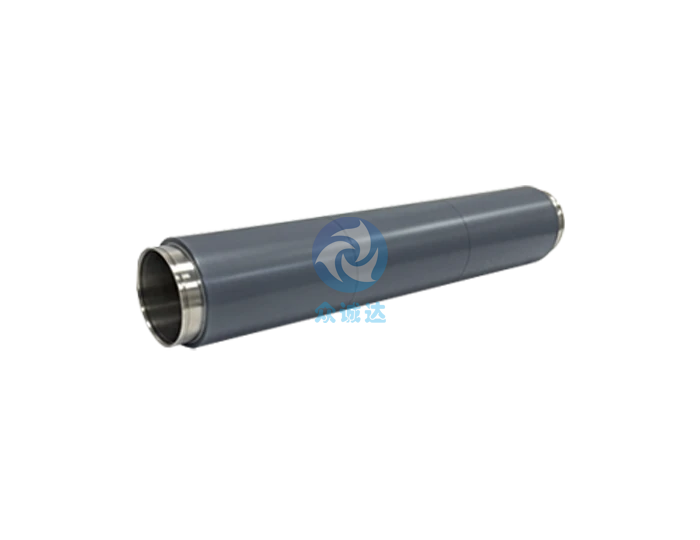
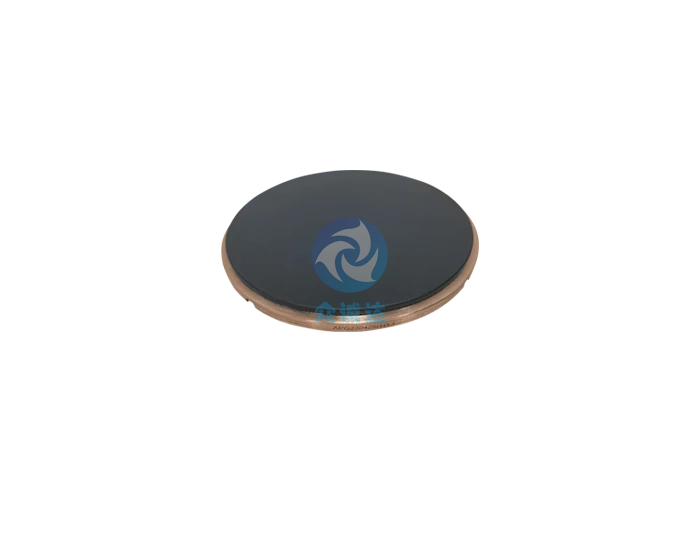
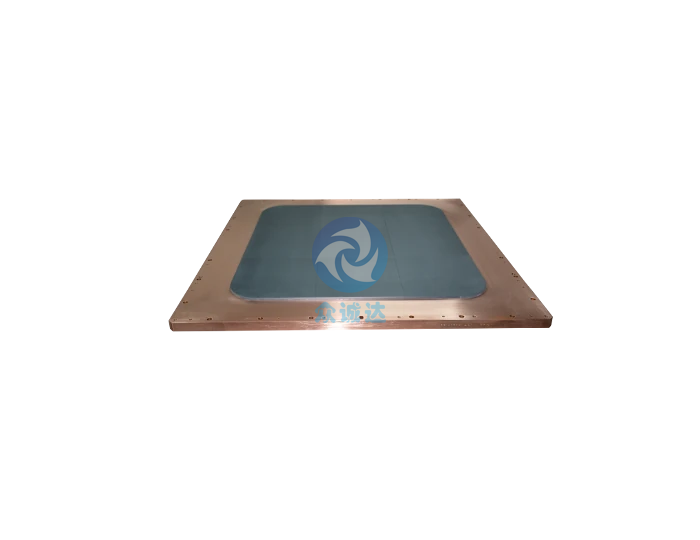
Product Introduction
ITO target material is a composite material made by mixing indium oxide (In₂O₃) and tin oxide (SnO₂) in a specific ratio. This special combination gives ITO target material unique physical and chemical properties, achieving high transparency and low resistance in the thin film through precise component ratio.
ITO has excellent optical transparency (with a transmittance of over 85% in the visible light spectrum) and excellent electrical conductivity (resistivity typically around 10⁻⁴ Ω·cm), making it the preferred transparent electrode material in modern electronic devices. It is a a key material in display technology, solar cells, and smart electronic devices.
With the help of nanometer-level thin film deposition technology, ITO not only enhances the interactive experience of smart devices but also continually expands its possibilities in high-performance optoelectronic applications.
Outstanding Properties of Indium Tin Oxide (ITO) Target Material
Its light transmittance can exceed 85%. Higher transmittance directly correlates with enhanced image clarity and improved efficiency in the utilization of light energy.
Low Sheet Resistance
ITO target material improves device response speed and reduces energy consumption, making it key for capacitive touch, emissive displays, and other high-sensitivity devices.
High Mobility
It allows devices to respond faster and consume less energy in practical use.
Good Diffusion Uniformity
ITO target material has a uniform composition distribution, ensuring stable performance of the ITO thin film formed during the deposition process.
Wide Applications of Indium Tin Oxide (ITO) Target Material
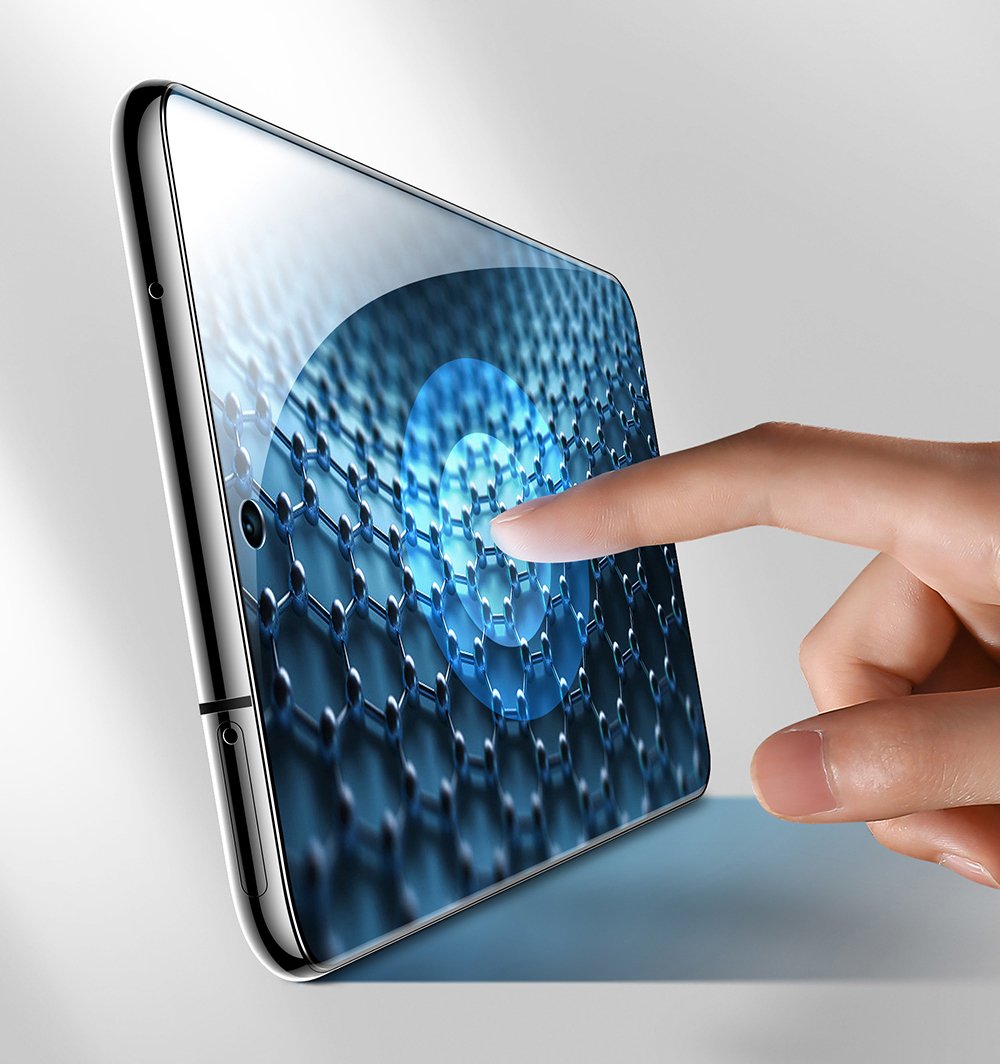
Touch Screen Technology
Application Principle: ITO target material acts as the transparent conductive layer in touch screens, accurately recognizing and locating the touch position when the screen is touched.
Key Contribution: Its high transparency and low resistance ensure sensitive and accurate touch response while maintaining high light transmittance for the screen, significantly enhancing the user's visual and interactive experience.
(LCDs)Liquid Crystal Displays (LCDs)
Application Principle: ITO target material serves as the transparent electrode in LCDs, where applying voltage controls the alignment of liquid crystal molecules, changing light transmittance and enabling image display.
Key Contribution: It ensures high clarity and vibrant colors in LCD displays.
Photovoltaic
Application Principle: ITO target material serves as the front electrode in solar cells, allowing sunlight to pass through into the absorber layer while effectively collecting photogenerated carriers and extracting current, enabling photovoltaic conversion.
Key Contribution: It improves the photovoltaic conversion efficiency and stability of solar cells, being a key factor in enhancing solar panel performance.
Organic Light Emitting Diodes (OLEDs)
Application Principle: In OLED technology, ITO target material acts as the anode, providing current to the organic light-emitting layer, driving the organic material to emit light through electroluminescence.
Key Contribution: It effectively enhances light output efficiency and charge injection efficiency, directly affecting the brightness, energy efficiency, and thin design of OLED displays, making it a crucial material for high-performance displays.
Technical Characteristics

Purity
99.99%
Relative Density
98%以上
Application scenarios
Touch Screen Technology
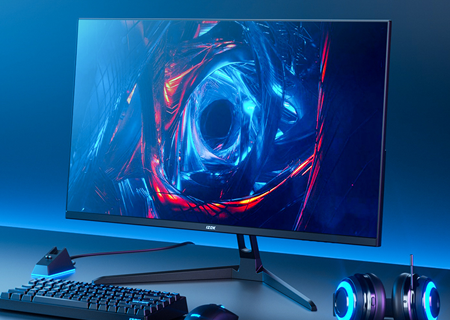
(LCDs)Liquid Crystal Displays (LCDs)

Photovoltaic Industry
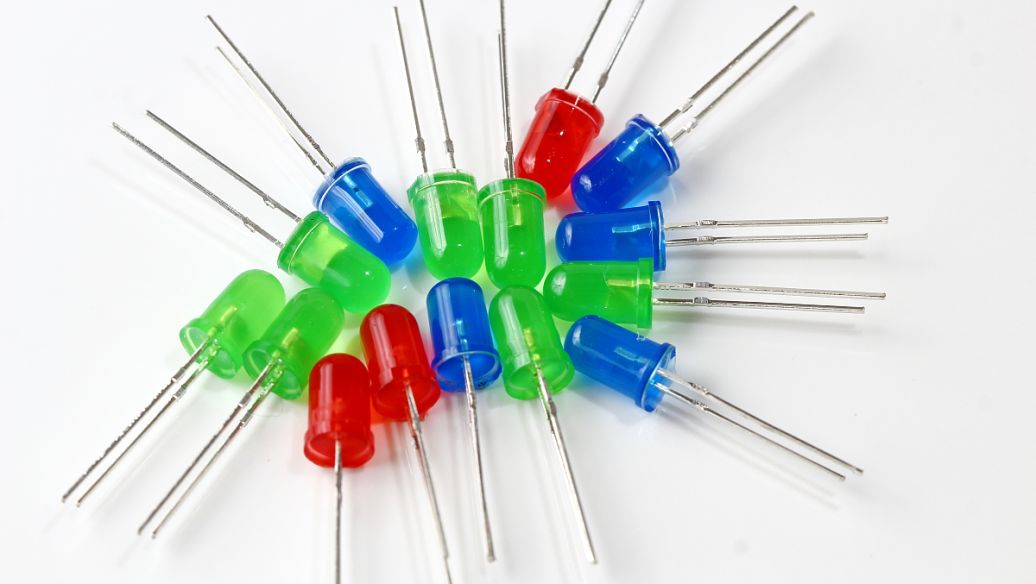
(OLEDs)Organic Light Emitting Diodes (OLEDs)
Contact Us