Product Introduction
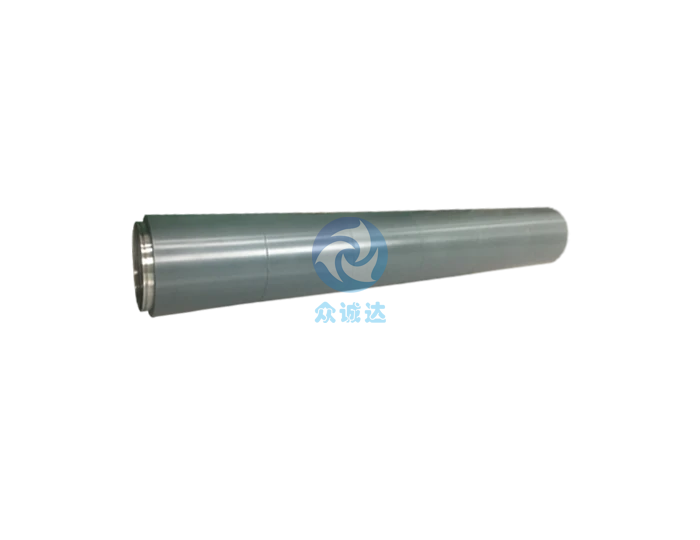
High-resistance targets are a category of functional target materials for sputtering coating, characterized by metal or alloy materials with high resistivity. In the physical vapor deposition (PVD) process, GXO targets can form high-resistance thin films, which are suitable for optics, electronics, semiconductors, functional coatings and other fields. By controlling the composition and structure of the target materials, thin films with high resistance, good stability and strong adhesion can be obtained, meeting the requirements for device performance optimization and special functional needs.
Excellent Characteristics of High-Resistance Targets
Tunable Resistance
The resistance of the thin film can be arbitrarily adjusted within the range of 10⁶–10⁹ Ω with stable reliability.
Controllable Performance
Precise control of resistance, light transmittance or thickness can be achieved by adjusting target composition or process parameters, satisfying the needs of different application scenarios.
Good Thermal Stability
The thin film maintains stable performance in high-temperature or long-term operating environments, and is not prone to conductivity degradation or film cracking.
Excellent Film Compactness and Adhesion
The thin film deposited by high-resistance targets features a dense and uniform structure, and combines tightly with the substrate, which enhances the service life and reliability of devices.
Wide Applications of High-Resistance Targets
Photovoltaic Industry
High-resistance thin films are deposited on LCDs, OLEDs, touch screens or thin-film solar cells to provide a uniform resistance layer while maintaining high light transmittance, ensuring uniform display brightness and sensitive touch response. In photovoltaic modules, they reduce leakage current and improve photoelectric conversion efficiency.
Automotive Glass
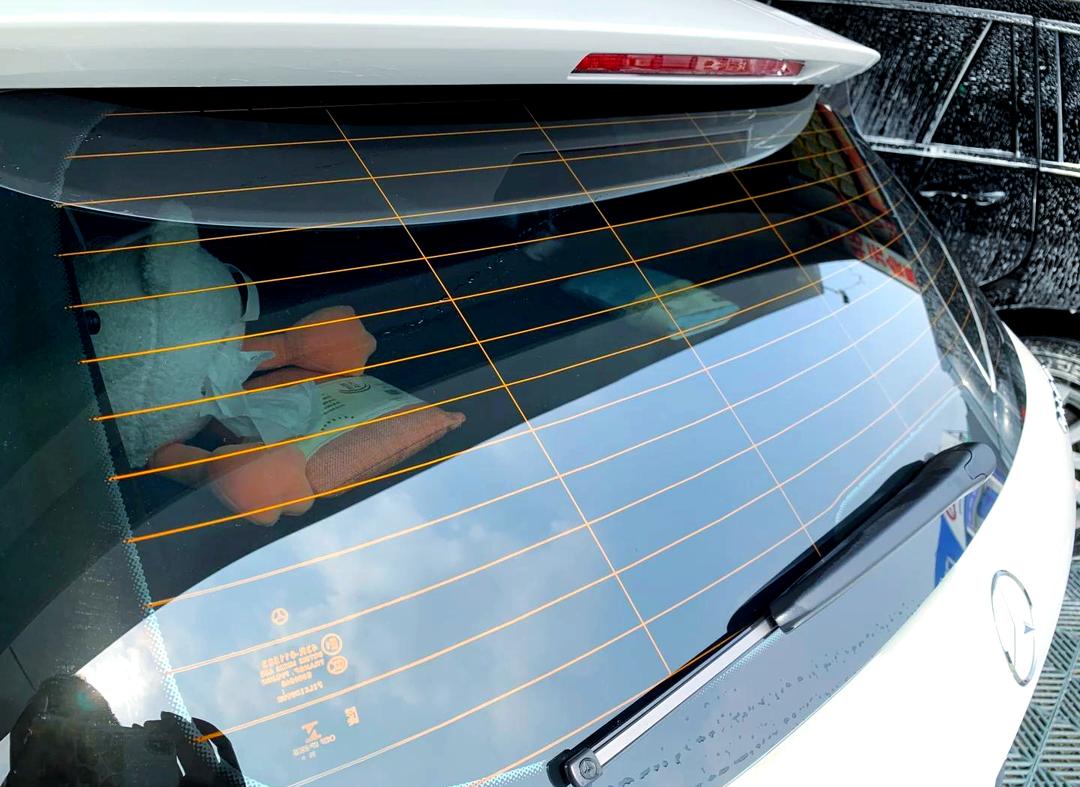
Applied as transparent heating layers for automotive windshields, rearview mirrors and architectural glass, high-resistance films can heat up rapidly and uniformly, preventing glass fogging or frosting, and improving safety and comfort. Meanwhile, the films have high light transmittance that does not affect the line of sight.
Semiconductor Manufacturing
Used as resistance films, buffer layers or isolation layers in sensors, Micro-Electro-Mechanical Systems (MEMS) or integrated circuits, they precisely control current density, protect devices from damage caused by overcurrent or short circuits, and provide high reliability and long-term stability.
Technical Characteristics

Purity
99.99%
Relative Density
99%
Application Fields

Photovoltaic Industry
Automotive Glass

Semiconductor Manufacturing
Optical Functional Films
Contact Us