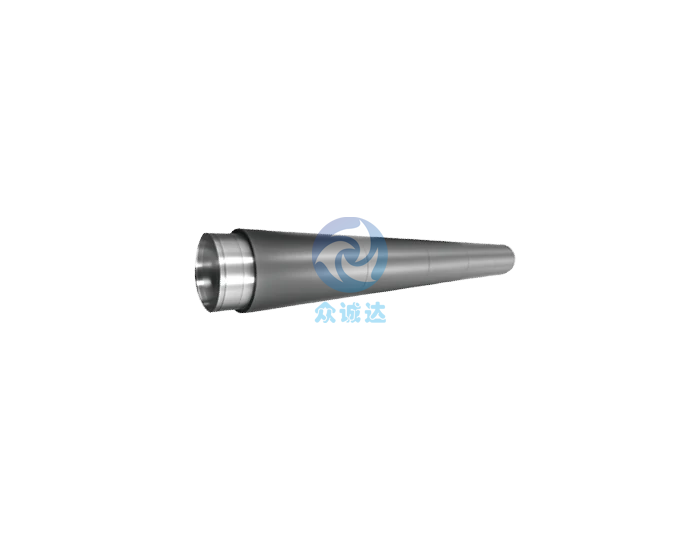
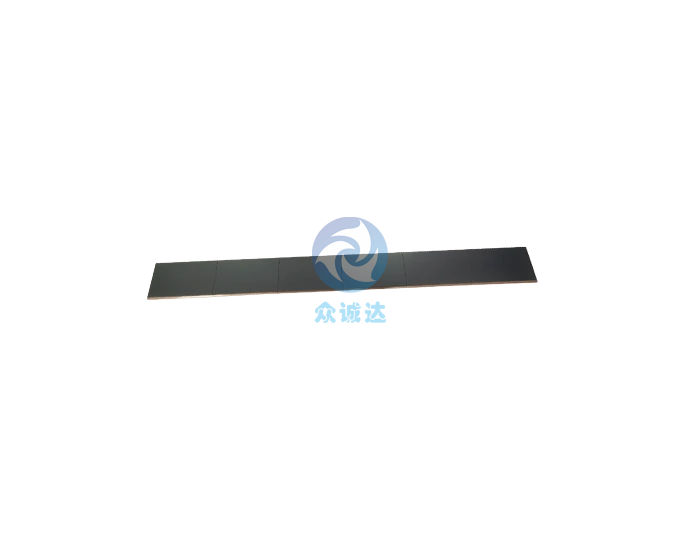
Product Introduction
In the field of modern thin-film materials, nickel oxide target material, with its high purity, high density, low resistance, high mobility, and excellent chemical stability, has become an indispensable key material for the preparation of functional films. It is a black inorganic compound target, one of the most stable oxides of nickel, with a molecular weight of 74.71. Its structure is uniform and dense, with low impurity content, providing reliable assurance for the preparation of high-performance films with outstanding electrical and magnetic properties. Today, nickel oxide target material plays a crucial role in semiconductor devices, optics, energy storage, magnetic materials, and sensing, acting as the "invisible driving force" behind the upgrading of new electronic and optoelectronic industries.
Outstanding Properties of Nickel Oxide Target Material
Nickel oxide target material exhibits excellent corrosion resistance in various environments. Compared to pure nickel target material, NiOx, with its stable oxide form, can effectively resist material degradation when exposed to corrosive gases or liquids. This property makes it an ideal choice for use in chemically corrosive environments, particularly in specialized industrial processes such as chemical vapor feposition (CVD) and atomic layer deposition (ALD).
Thermal Stability
Nickel oxide target material demonstrates excellent thermal stability, meaning that its physical and chemical properties undergo minimal changes under high-temperature conditions. This is crucial for applications where material deposition occurs at high temperatures, such as semiconductor manufacturing and solar cell production. NiOx target material can withstand temperatures of several hundred degrees without decomposition or significant performance degradation, ensuring the stability and uniformity of the thin film deposition process.
Advantages in Electronic Properties
Nickel oxide target material exhibits excellent electronic and magnetic properties, particularly its semiconductor characteristics, providing a foundation for various applications. NiOx, as a p-type semiconductor, has a bandgap width that can be adjusted through doping to meet the needs of different applications. For example, in optoelectronics, nickel oxide target material can be used to produce transparent conductive films, photodetectors, and solar cells, where its excellent electronic properties enhance the efficiency and performance of devices.
Under specific conditions, nickel oxide target material also exhibits unique magnetic behavior, which has significant application prospects in magnetic storage materials and spintronics. These electronic and magnetic properties, combined with its chemical and physical stability, make nickel oxide target material indispensable for many cutting-edge technologies.
Improved Film Uniformity
Film Uniformity: Using high-quality nickel oxide target material in the film deposition process can significantly improve the uniformity of the film. Uniform films are crucial for enhancing the performance of the final product and reducing defects in the manufacturing process, thereby improving yield. The improvement in uniformity is mainly due to the excellent physical and chemical stability of nickel oxide target material, which ensures consistent material deposition during film growth.
Wide Applications of Nickel Oxide Target Material
Photovoltaic Industry
Semiconductor Manufacturing
In semiconductor manufacturing, it is commonly used as a thin film material to form films on substrates using techniques such as physical vapor deposition (PVD) or chemical vapor Deposition (CVD) for the fabrication of certain conductive or functional layers in integrated circuits.
Transparent Conductive Films
Technical Characteristics

Purity
99.99%
Density
6.67g/cm³
Application Fields

Photovoltaic Industry

Semiconductor Manufacturing
Transparent Conductive Films
Contact Us