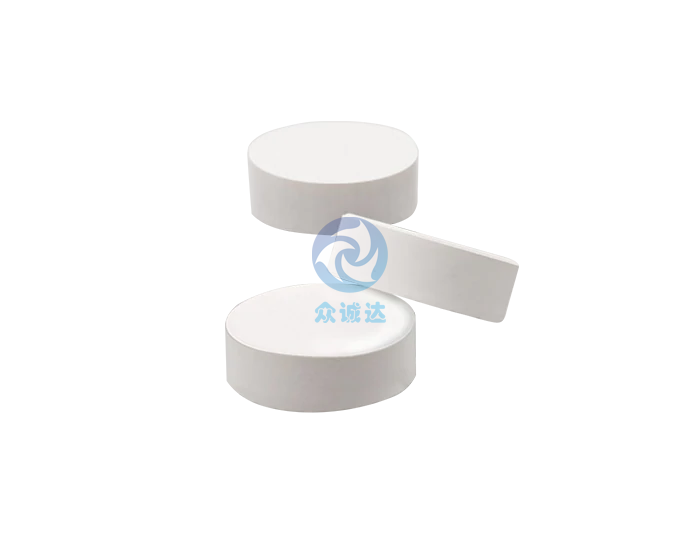
Product Introduction
Zirconium dioxide (ZrO2) is a high-performance functional ceramic material commonly used in evaporation and sputtering coating processes. It has high melting point (approximately 2700°C), low thermal conductivity, and high hardness. During deposition, the material forms optically transparent, uniform, and chemically inert layers that resist decomposition. These robust characteristics facilitate its extensive use in optical coatings, semiconductor fabrication, the photovoltaic industry, and high-end decorative finishes.
Outstanding Characteristics of Zirconium Dioxide
High Optical Performance
It has high transmittance in the visible and near-infrared spectra, making it suitable as a high-refractive index material for optical film designs such as multilayer interference films, anti-reflection coatings, and reflective films.
Excellent Thermal Stability
The high melting point and low thermal conductivity allow it to maintain a stable structure under high-temperature processes without easily evaporating or decomposing.
Excellent Mechanical Properties
With superior scratch resistance and high surface hardness, these films offer the long-term durability required for high-wear environments and critical industrial applications.
Strong Chemical Stability
It is resistant to acid and alkali corrosion and is not easily reactive with other substances, ensuring the stability of the film in complex environments.
Good Density
The films formed are uniform and dense which helps in enhancing the durability and functionality of devices.
Wide Applications of Zirconium Dioxide
Optical Device Manufacturing
It offers high transmittance, wear resistance, and stable optical performance and has widely used in camera lenses, projection lenses, optical filters, laser optical devices, and sunglasses.
Electronics Industry
It is used as a dielectric layer for capacitors, high-k gate dielectric films, and insulating layer materials in semiconductor devices and integrated circuits, satisfying the rigorous requirements for high-density integration and enhanced device functionality in next-generation electronics.
Photovoltaic Industry
Used in solar cells as functional layers and protective films to improve light absorption efficiency, reduce energy loss, and extend the service life of the cells.
Low-E Glass
Used in architectural glass, automotive glass, watch crystals, and decorative films, offering wear resistance, corrosion resistance, and aesthetic appeal.
Technical Characteristics

Refractive index
2.05(500nm)
Transparent band
250-9000nm
Application Fields
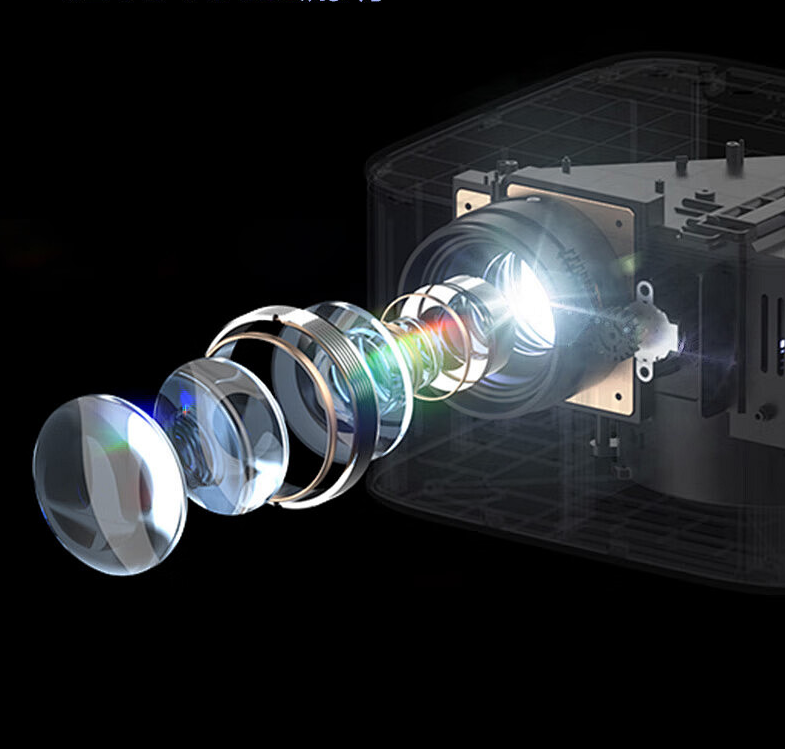
Optical Device Manufacturing
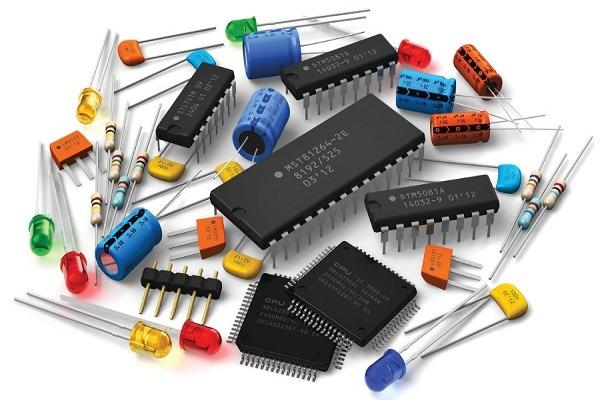
Electronics Industry

Photovoltaic Industry
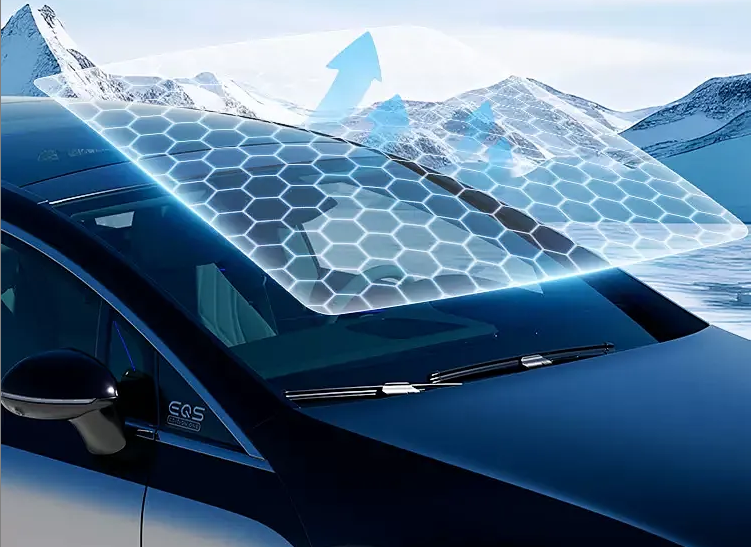
Low Emissivity Glass
Contact Us