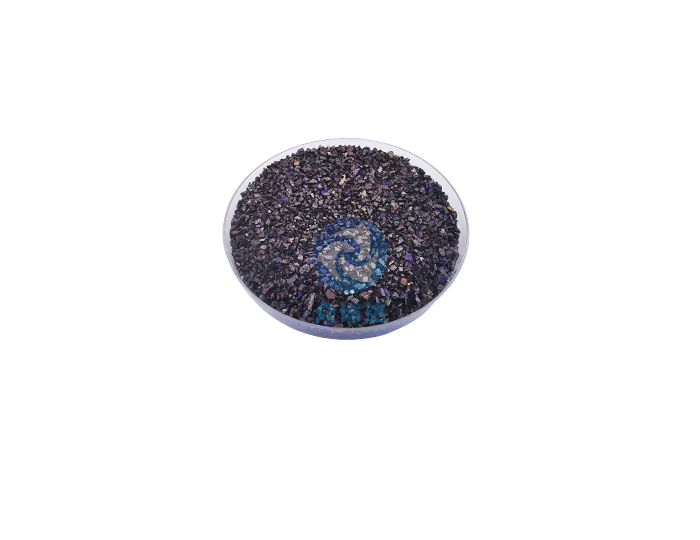
Product Introduction
Titanium pentoxide (Ti₃O₅) is an important transition metal oxide evaporation material, combining the properties of both metals and ceramics. Its unique crystal structure and excellent physical and chemical properties make it highly stable and able to produce high-quality films in thin film preparation. Ti₃O₅ has good electrical conductivity, optical transparency, and chemical stability, maintaining its stability even in high-temperature vacuum environments. It is widely used in high-end applications such as optical coatings, electronic devices, photovoltaics, and new energy industries. Ti₃O₅ films prepared by evaporation are dense, uniform, and possess excellent adhesion and durability, making them an indispensable material for advanced functional films.
Outstanding Characteristics of Titanium Pentoxide (Ti₃O₅)
High Purity
Achieving ultra-high purity levels exceeding 99.99% (4N), it features negligible trace contaminants, guaranteeing high-fidelity film stability and consistent operational reliability.
Superior Optical Performance
It has a high refractive index and good light transmittance which makes it suitable for multilayer optical film designs.
Good Electrical Properties
It integrates high conductive efficiency with precise impedance modulation, making it ideal for the deposition of multifunctional thin films in advanced electronic systems.
Strong Thermal Stability
It is resistant to decomposition or oxidation in high-temperature environments, making it suitable for long-term stable applications.
Chemical Inertness
It is resistant to acid and alkali corrosion and is not easily reactive with other materials, ensuring long-term stability of the films.
Wide Applications of Titanium Pentoxide (Ti₃O₅)
Optical Device Manufacturing
It is widely deployed in the fabrication of high-refractive-index optical films, including advanced anti-reflection coatings, complex interference filters, and optical windows. These films significantly enhance optical transmittance and operational stability, ensuring reliable performance in demanding environments.
Electronic Industry
In microelectronic devices, it serves as an electrode, barrier layer, or functional film material, improving the conductivity and stability of electronic devices.
Photovoltaic Industry
It is used in the functional layers of solar cells to optimize charge transport paths and improve photoelectric conversion efficiency.
Low Radiation Glass
Due to its unique optical properties, it can be used in architectural glass, decorative films, etc., offering both aesthetic and functional benefits.
Technical Characteristics

Refractive index:
2.3-2.45(500nm)
Transparent Band:
400-12000nm
Application Fields
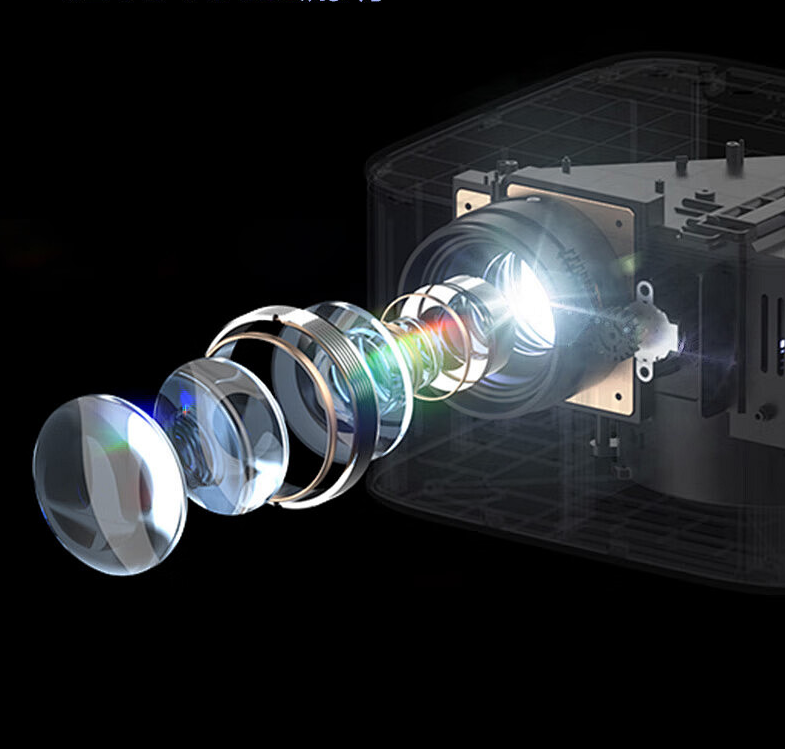
Optical Device Manufacturing
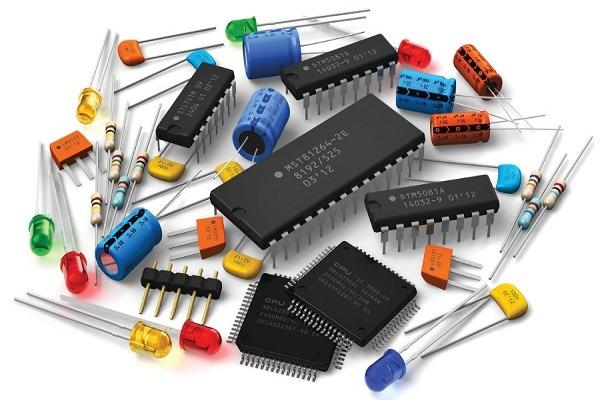
Electronics Industry

Photovoltaic Industry
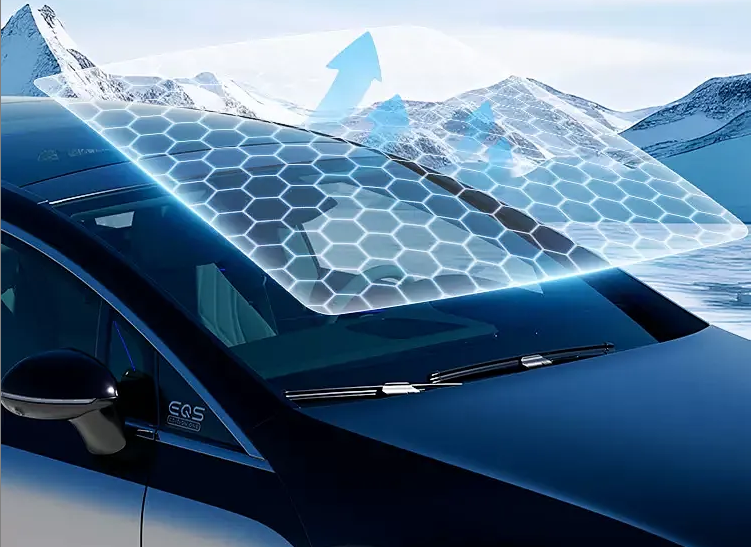
Low Emissivity Glass
Contact Us