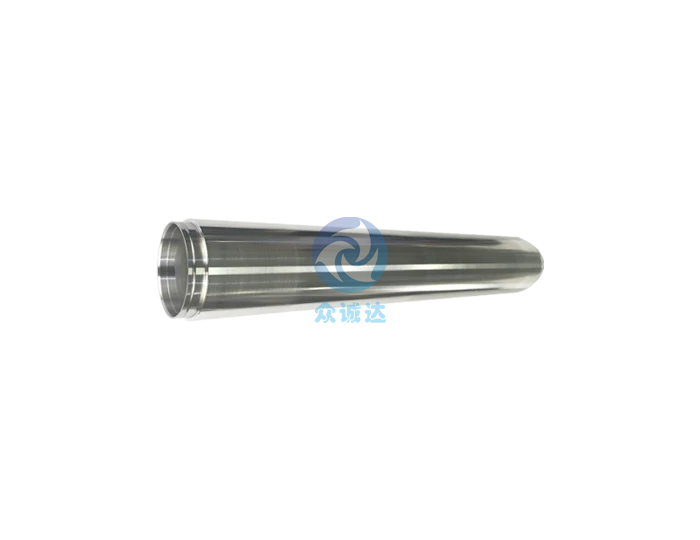
Product Introduction
Indium Tin target is an alloy sputtering target made from indium (In) and tin (Sn) through metallurgical processes. It is widely used in photovoltaic, low-radiation glass, and mobile device coatings.
Core Advantages of Indium Tin Target
Optoelectronic Properties
High Electrical Conductivity: The film achieves a low resistivity of 10⁻⁴ Ω·cm, driven by the high concentration of free electrons and oxygen vacancies induced by tin doping。
High Transparency: Visible light transmission exceeds 85%, with an optical bandgap (3.5–4.3 eV) much larger than the energy of visible light, hence, almost no absorption.
Mechanical Strength
The cubic crystal structure provides high hardness, making it suitable for sputtering processes.
Stability
Resistant to oxidation and acid-base corrosion, but brittle under high temperatures or flexible environments.
Main Applications of Indium Tin Target
Display Panels
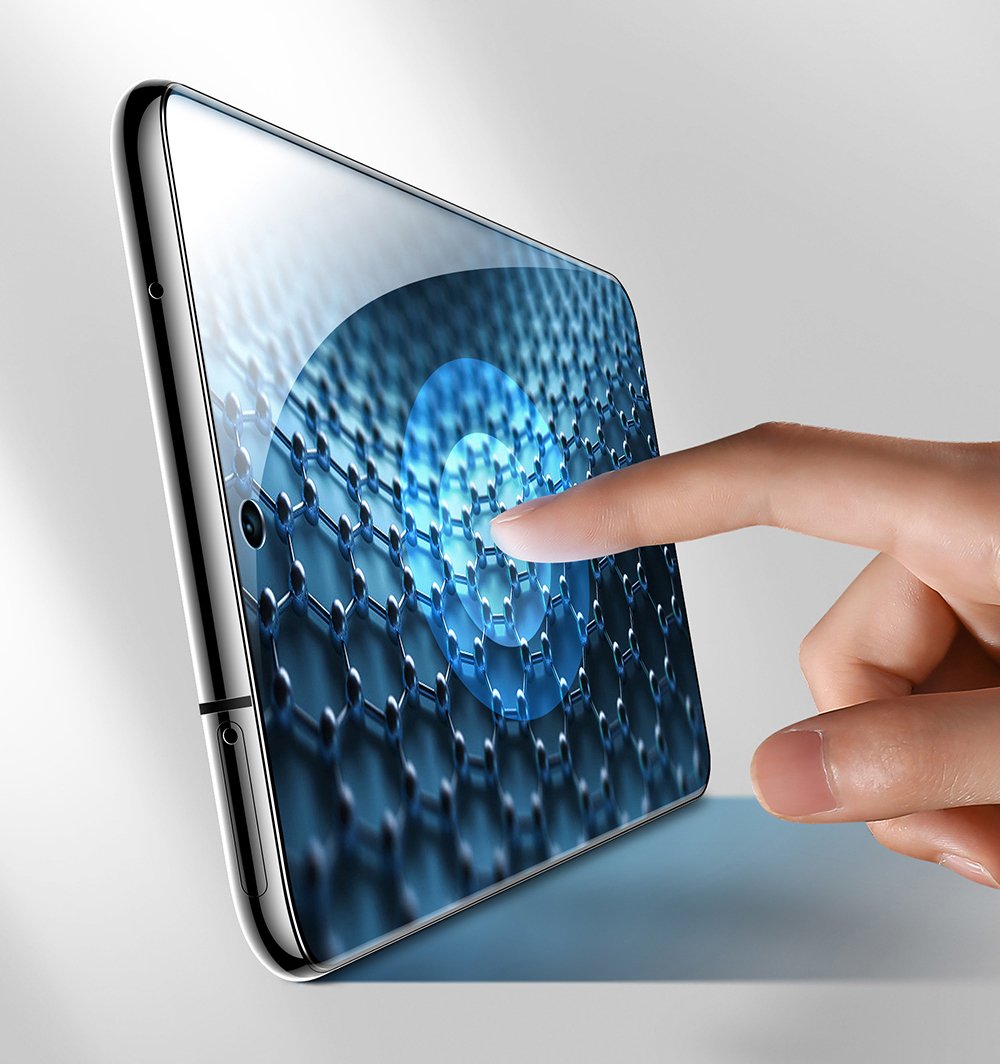
Transparent Electrodes: Used for conductive layers in LCD and OLED screens, accounting for 70% of global indium consumption.Touch Panels: Having high transparency and sensitive conductivity it is used as sensing layer for capacitive touchscreens.Energy Sector
Used as transparent electrodes in touchscreens for smartphones, tablets, etc., to enhance the touch sensitivity and display clarity, supporting thin designs.
Smart Glass: Conductive layers for electrochromic glass to adjust the light transmission.
Flexible Electronics
Smart Glass: Conductive layers for electrochromic glass to tune the light transmission.
Technical characteristics

Ratio
Customizable Ratio
Application Fields

Display Panels
Energy Sector

Flexible Electronics
Contact Us