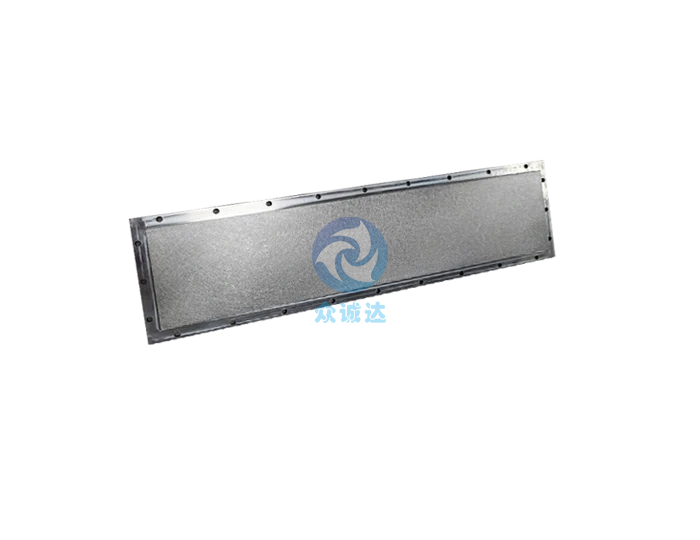
Product introduction
ZnSn target material is an alloy target synthesized from high-purity zinc and tin in specific proportions, commonly used in magnetron sputtering, PVD, and other deposition processes.It combines the high transparency and good electrical conductivity of zinc with the chemical stability and corrosion resistance of tin. The films deposited from Zn-Sn have excellent optical, electrical, and durability performance, making it one of the key materials for transparent conductive films and functional coatings.
Core Advantages of Zn-Sn Target Material
High Transparency
This high transparency ensures that display panels and touchscreens remain clearly visible even under intense light, while also improving the light utilization in photovoltaic modules.
Low Resistivity
The low resistivity significantly enhances touchscreen response speed, reduces energy consumption, and decreases power loss in the back electrodes or conductive layers of solar cells, improving conversion efficiency.
Excellent Environmental Stability
Compared to traditional ITO films, Zn-Sn films are more stable under high humidity, heat, or UV exposure, with better corrosion resistance and chemical stability, making them suitable for long-term outdoor use in photovoltaic and architectural glass applications.
Uniform Film and Strong Adhesion
The deposition process ensures stable film formation, with dense, smooth films that tightly adhere to glass or polymer substrates, making them resistant to peeling or cracking.
Main Application Areas of Zn-Sn Target Material
Photovoltaic Industry
Used in solar cells as transparent conductive layers or back electrodes to improve light absorption and photovoltaic conversion efficiency; Zn-Sn films are UV-resistant and thermally stable, extending the lifespan of photovoltaic modules.
Display Panels and Touchscreens
As a target material for transparent conductive films, Zn-Sn is used in electrode layers for LCD, OLED, and flexible screens. The Zn-Sn film maintains high transparency and low resistivity, ensuring fast touchscreen response and high display clarity.
Energy-efficient Glass / Low-E Glass
Used in multi-layer films sputtered onto architectural glass to improve heat insulation, heat retention, and UV resistance while maintaining high visible light transmittance, helping to reduce building energy consumption.
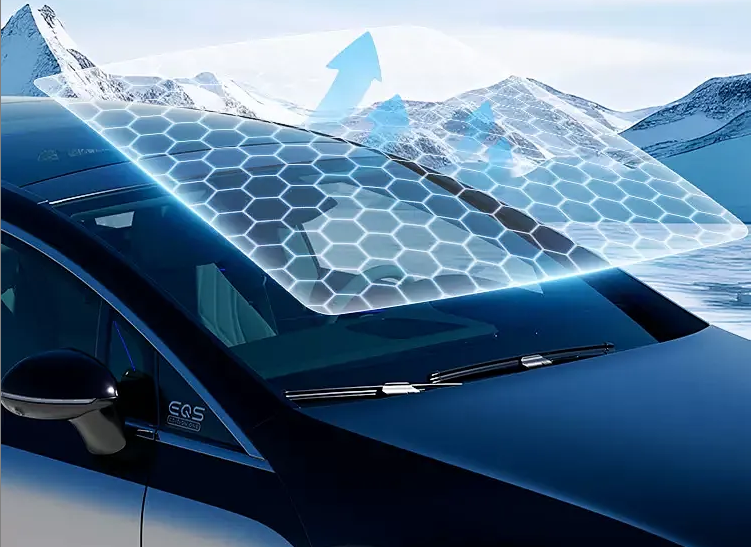
Automotive Glass
Used for transparent conductive films and anti-fog/anti-frost coatings on automotive windshields and roof glass. Zn-Sn films allow for rapid defogging and have excellent weather resistance, maintaining their performance and color for long-term outdoor use.
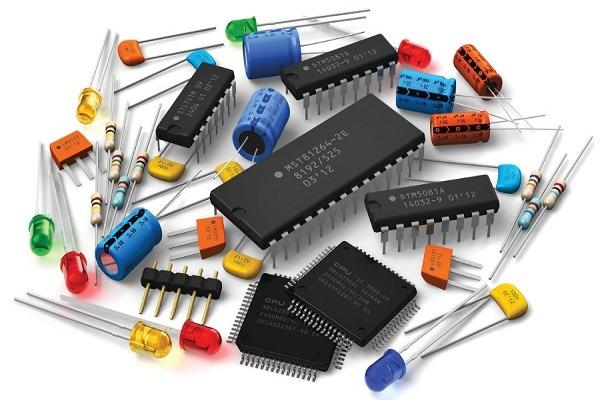
Electronic and Optoelectronic Devices
Provide a stable conductive network essential for applications in sensors, flexible circuits, and conductive/anti-static coatings. This functionality is critical for preventing electrostatic discharge (ESD) and enhancing overall device reliability..
Technical Characteristics

Purity
99.9%
Proportioning
Common Ratio: 52:48 (Customizable Ratio)
Application Fields

Photovoltaic Industry

Display Panels and Touchscreens

Energy-efficient Glass / Low-E Glass
Automotive Glass
Electronic and Optoelectronic Devices
Contact Us