Product Introduction
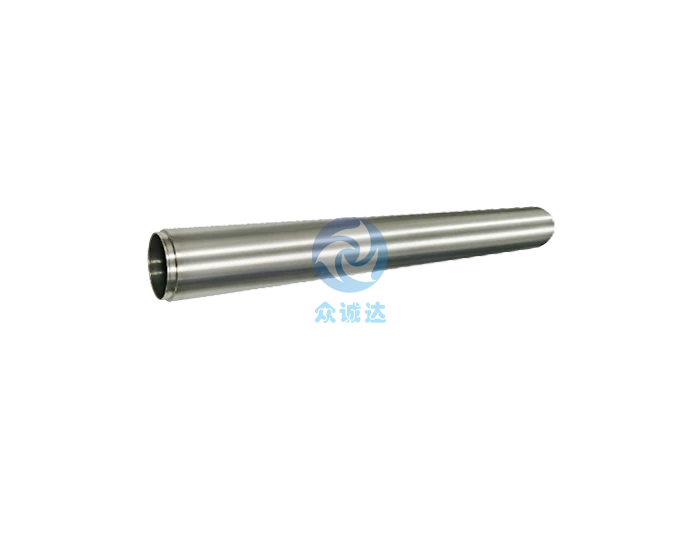
The titanium-aluminum target is made from high-purity aluminum and titanium alloy, combining the light weight and high reflection of aluminum with the high strength and corrosion resistance of titanium. It is suitable for physical vapor deposition (PVD), sputtering coating, and vapor deposition processes, forming uniform and dense thin films. It is widely used in optical, electronic, and functional materials fields.
Core Advantages of Titanium-Aluminum Target
High Purity and Density
It maintains a minimum purity threshold of 99.8%, with relative density fluctuating as a function of the specific alloy composition, such as Ti33Al67 with density ≥3.29g/cm³ and Ti50Al50 with density ≥3.60g/cm³. High purity and density help ensuring coating quality and extend the target’s lifespan.
Good Mechanical Properties
Titanium-aluminum alloy targets have both high strength and corrosion resistance. Their unique crystal structure allows them to maintain stable physical properties in high-temperature environments, with high hardness and wear resistance. For example, the TiAlN coatings they produce can enhance the cutting speed and cutting performance of materials.
Excellent Chemical Stability
TiAl alloy targets have anti-oxidation properties, allowing them to maintain long-term contact with high-purity gases and plasma environments in semiconductor manufacturing. This effectively extends their lifespan, and their low impurity content ensures uniformity and conductivity of the coating layer.
High Sputtering Efficiency
The crystal structure of titanium-aluminum alloy targets enhances sputtering efficiency and significantly reduces energy consumption during production. Precision melting and forming technologies, such as vacuum arc melting or powder metallurgy, ensure uniform distribution of titanium and aluminum atoms, preventing compositional segregation and ensuring the target does not crack due to stress concentration during sputtering.
Main Application Areas of Aluminum-Titanium Target
Semiconductor Manufacturing
It can be used for thin film deposition, forming conductive layers, barrier layers, or metal interconnect layers. Its low resistivity and high adhesion properties significantly improve circuit performance, and it remains stable during long-term contact with high-purity gases and plasma environments, ensuring the reliability of microelectronic devices.
Flat Panel Displays
Used for coating thin-film transistors (TFTs), electrodes, and other components in flat panel displays. By precisely controlling the thickness and composition of the coating, it improves display resolution, color saturation, and response speed, while reducing power consumption.
Machining and Tool Manufacturing
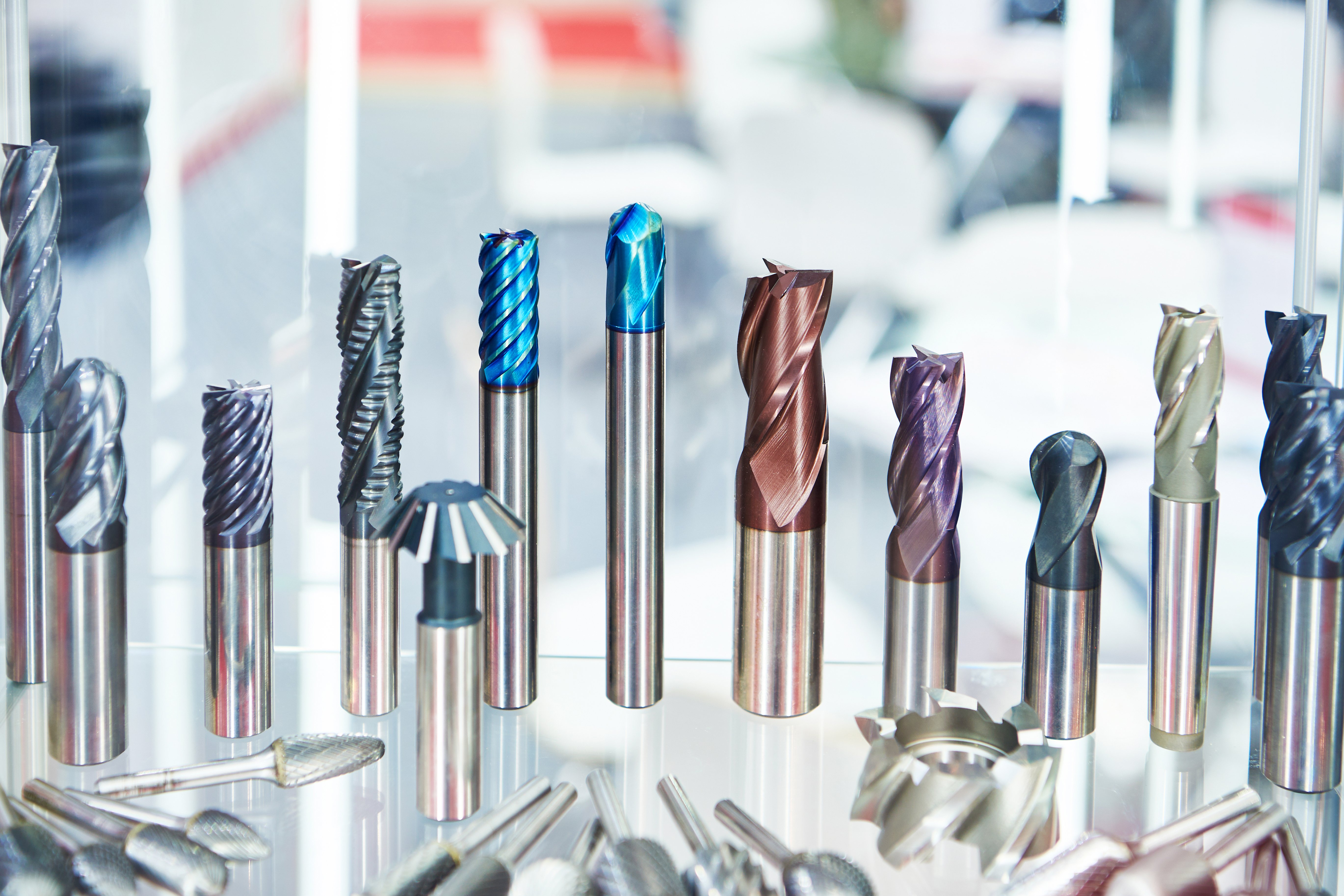
Aluminum-titanium alloy targets can be used to prepare TiAlN coatings, which combine excellent toughness and oxidation resistance. This significantly improves the cutting speed and performance of drill bits, tools, inserts, and other machinery tools, extending tool life.
Aerospace
The synthesized TiAlN coatings enhance the high-temperature resistance, corrosion resistance, and wear resistance of engine parts and fuselage structural components, ensuring the safe and stable operation of aircraft in extreme environments. For example, Gamma Titanium-Aluminum has been used to manufacture low-pressure turbine blades for the 787 and 747-8 aircraft.
Automotive Industry
With the increasing demand for precision and durability in new energy vehicles and high-end gasoline cars, titanium-aluminum alloy target coatings are widely used in key components such as engine valves and transmission gears, extending component life and improving overall vehicle performance.
Optical Devices
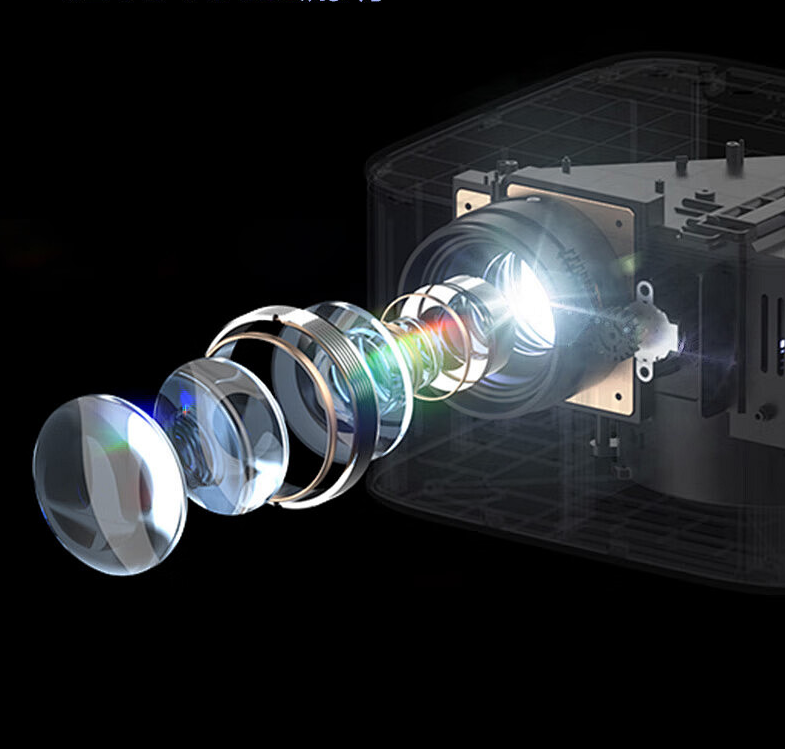
The TiAl coatings optimize the light transmittance, wear resistance, and anti-reflection properties of lenses, improving the imaging quality of optical devices. They can also be used to manufacture high-reflectivity mirror coatings to meet the stringent requirements of advanced equipment like LIDAR.
Medical Instruments
Plays an important role in the medical instruments field, as the bio-compatibility and low toxicity of titanium-aluminum alloys make them suitable for manufacturing orthopedic implants, dental implants, and more.
Technical characteristics

Purity
99.5%-99.9%
Proportioning
Common Ratios: 90:10, 80:20, 70:30, 50:50 (Customizable Ratios)
Application Fields

Semiconductor Manufacturing

Flat Panel Displays
Machining and Tool Manufacturing

Aerospace
Optical Device Manufacturing
Contact Us