Product Introduction
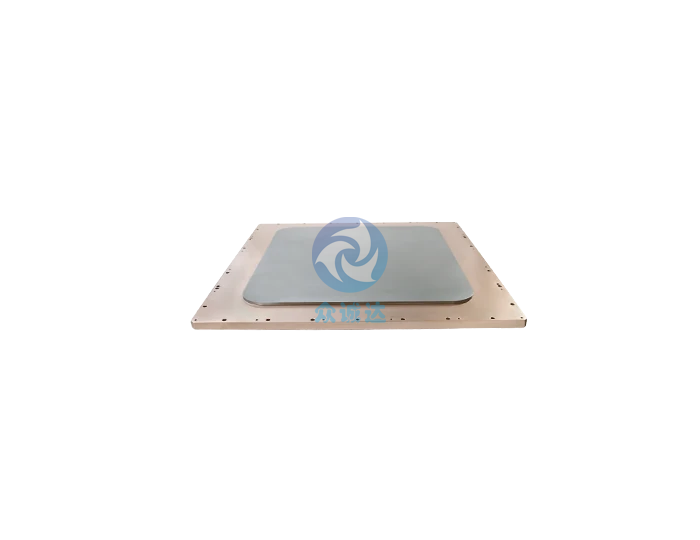
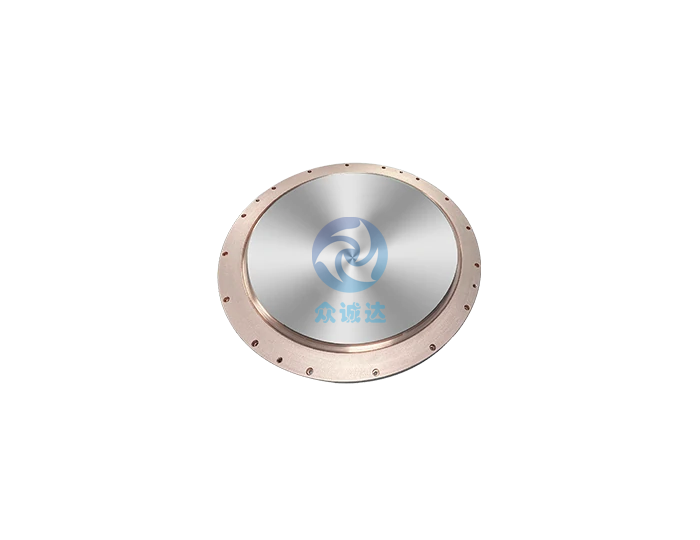
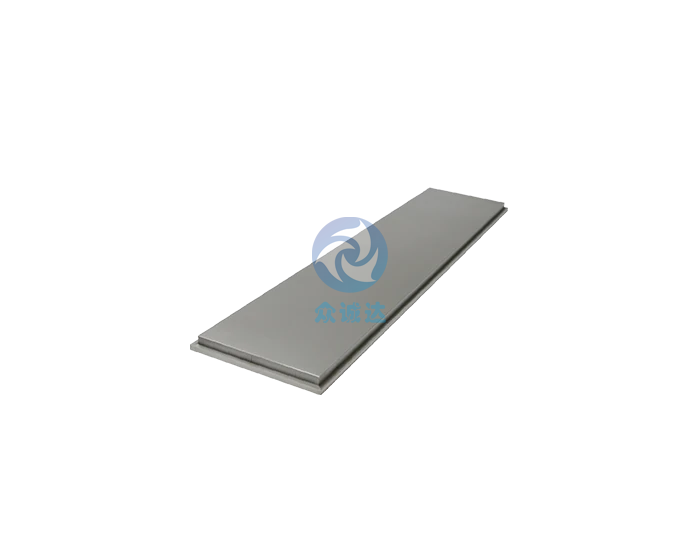
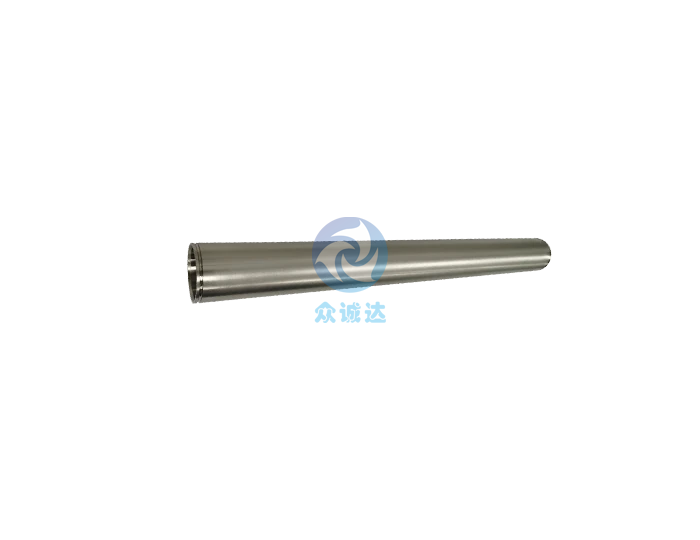
Titanium target, as a core material in physical vapor deposition (PVD) technology, is deeply empowering strategic industries such as semiconductors, displays, and healthcare through its high purity and precise structural control. Its technological breakthroughs are realized across three strategic pillars: the optimization of material performance, the pioneering of advanced manufacturing processes, and the expansion into high-value applications.
In terms of performance, titanium targets technologically prevail other counterparts through atomic-level purity control and microstructure regulation. Semiconductor-grade products have a purity of 5N-6N, and impurity content is reduced from ppm to ppb levels, which effectively prevents the electromigration failure. Ti target reaches precision-controlled density of 4.506-4.51g/cm³, reaching to theoretical limit, with grain size of ≤50 μm, ensuring film flatness as required for EUV lithography.
Excellent Features of Titanium Target
Titanium has high strength and low density, so titanium films exhibit superior mechanical properties in various structural applications.
Corrosion Resistance
Titanium has excellent corrosion resistance in different chemical environments. Ti films provide effective protection in seawater, acidic and alkaline environments, etc.
High Temperature Stability
Titanium has good stability at high temperatures, hence, titanium films are extensively employed in high-temperature fields such as aerospace and nuclear energy.
Decorative Properties
Titanium exhibits exceptional decorative properties derived from the controlled growth of a passive oxide layer. films are utilized in high-end surface treatments for consumer products—such as precision watches, eyeglasses, and jewelry—to achieve durable, aesthetically pleasing finishes with high resistance to wear and chemical attack.
High Resistivity
The resistivity of pure titanium is significantly higher (approximately 42.0 × 10⁻⁸ Ω·m) at room temperature than that of commonly used metal conductors (e.g., Cu, Al). The high-purity titanium (such as 4N5 grade) is optimized by minimizing interstitial impurities (O, N, and C) to reduce resistivity and maximize electrical conductivity.
Wide Applications of Titanium Target
Semiconductor Manufacturing
Display Panels
In TFT arrays, acts as electrode components (e.g., Mo-Ti) or key ohmic contact/adhesion layers.
Provides a strong attachment "foundation" for ITO transparent electrodes.
Photovoltaic Industry
Optimal choice for high-efficiency battery back contact and adhesion layers
High-purity deposition of Ti or TiO2 films is essential for superior optical performance in AR coatings, filters, and self-cleaning glass. Purity determines optical limits by minimizing light scattering and absorption losses, ensuring efficient functionality in all advanced systems.
Technical Characteristics

Purity
99.5%-99.95%
Density
4.506 g/cm³ (20°C)
Application Fields

Semiconductor Manufacturing

Display Panels

Photovoltaic Industry
Optical Device Manufacturing
Contact Us