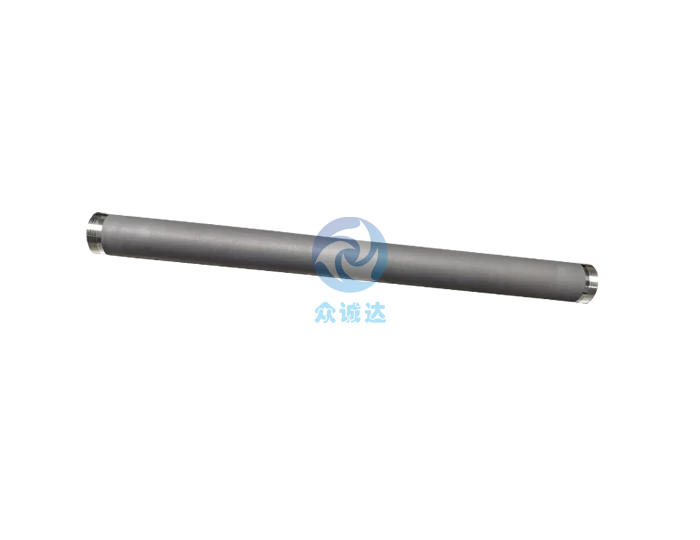
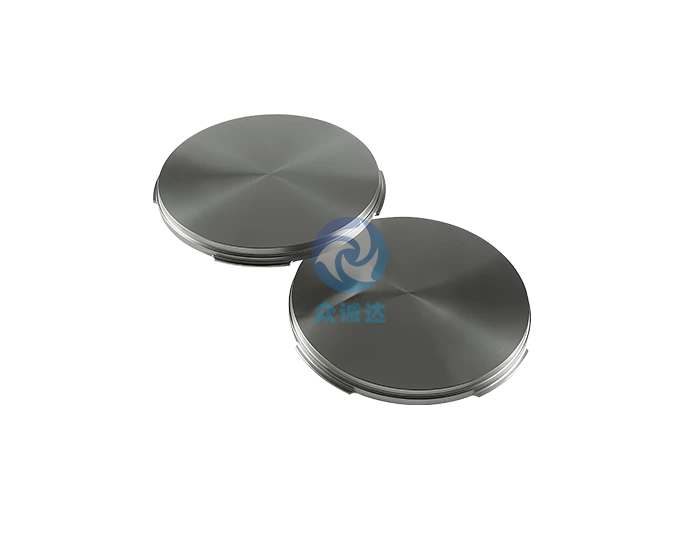
Product Introduction
Tungsten Target: The Ultimate Choice for High-Performance Materials
Tungsten target material, primarily composed of tungsten, plays an indispensable role in many high-tech fields due to its unique physical and chemical properties.
Outstanding Properties of Tungsten Target
High Purity
Made from high-purity elemental metal target material, with a purity of 99.9%-99.99%, suitable for evaporation, coating, sputtering, and other applications.
High Density
With a density of approximately 19.25g/cm³, this much high density gives the ejected tungsten atoms high kinetic energy, forming dense, strongly bonded thin films, which reduce internal defects in the films.
Low Oxygen Content
Hot pressing oxygen content is below 20ppm, spray coating oxygen content is below 2000ppm.
Excellent Corrosion Resistance
Tungsten exhibits superior resistance to a wide range of acids, bases, and molten metals. This inherent chemical inertness ensures exceptional stability during deposition processes involving aggressive chemical environments or corrosive precursor gases.
Wide Applications of Tungsten Target
Functional Coatings
Tungsten films are silver-white with good gloss and strong chemical stability and can be used as high-end decorative coatings (such as for watches and medical device casings). Additionally, their conductivity and oxidation resistance make them suitable for electrode surface coatings, enhancing the electrodes' lifespan and stability.
X-Ray Technology
Due to its high atomic number (Z=74), high density, and high melting point, tungsten target material is widely used in X-ray equipment. In X-ray tubes, high-speed electrons strike the tungsten target to generate X-rays. Tungsten can withstand high temperatures and efficiently produce high-energy X-rays, providing high imaging clarity, which is suitable for medical diagnostics and industrial non-destructive testing. Tungsten's stability and excellent thermal conductivity make it an essential material for high-performance X-ray sources.
Semiconductor Industry
In semiconductor manufacturing, tungsten target materials are commonly used in physical vapor deposition (PVD) processes to form metal interconnect layers. Due to its low resistivity and good conductivity, tungsten can replace aluminum for forming contact plugs and local interconnect structures, improving the electrical efficiency and reliability of chips. Tungsten's excellent deposition properties and good adhesion to silicon make it an irreplaceable metal in advanced logic and memory chip manufacturing.
Photovoltaic Industry
In solar cell manufacturing, tungsten target material is used to deposit back electrode thin films or as part of functional metal films. Specifically, for proton exchange membrane fuel cells (PEMFC), tungsten is used as a barrier layer on bipolar plates, preventing molybdenum diffusion and improving the long-term stability of the device. Additionally, tungsten maintains excellent thermal stability in high-temperature environments, enhancing the operational reliability and conversion efficiency of photovoltaic modules in complex environments.
Aerospace and Nuclear Industry Protection Layers
Spacecraft Thermal Protection
Tungsten films are used on rocket engine nozzles and spacecraft re-entry components to protect against extreme high temperatures (thousands of degrees Celsius) and thermal shock, safeguarding internal structures.Nuclear Industry Components:
Tungsten films, known for their resistance to radiation, high temperatures, and low neutron absorption cross-section, are used in nuclear reactor targets, shielding materials, or the first wall coatings of fusion devices (e.g., tokamaks), where they endure high-energy particle bombardment and extreme thermal conditions.
Technical Characteristics

Purity
99.9% - 99.99%
Relative Density
90%
Application Fields

X-Ray Technology

Semiconductor Industry

Photovoltaic Industry

Aerospace and Nuclear Industry Protection Layers
Contact Us